
Tympanoplasty
Tympanoplasty is a surgical procedure used to repair a hole or damage in the eardrum and, when necessary, to reconstruct the small bones of the middle ear. A perforated eardrum can lead to hearing loss, repeated ear infections, discharge from the ear and a constant need to “protect” the ear from water. As an Otolaryngologist (ENT Specialist), Dr. Mustafa Çakır performs timpanoplasti to close the eardrum, restore the protective function of the ear and, as far as possible, improve hearing.
Timpanoplasti
Doctor Mustafa Clinic
Timpanoplasti
Tympanoplasty is a surgical procedure used to repair a hole or damage in the eardrum and, when necessary, to reconstruct the small bones of the middle ear. A perforated eardrum can lead to hearing loss, repeated ear infections, discharge from the ear and a constant need to “protect” the ear from water. As an Otolaryngologist (ENT Specialist), Dr. Mustafa Çakır performs timpanoplasti to close the eardrum, restore the protective function of the ear and, as far as possible, improve hearing.

What is a Perforated Eardrum?
The eardrum (tympanic membrane) is a thin, delicate structure that separates the external ear canal from the middle ear. Sound waves hit the eardrum, causing it to vibrate and transmit sound through the chain of tiny bones inside the ear.
An eardrum perforation can occur after repeated ear infections, trauma (for example, a slap to the ear, a sudden pressure change or inserting objects into the ear canal) or previous ear surgery. In some people the perforation is small and causes only mild symptoms; in others it is larger and leads to noticeable hearing loss and frequent infections when water or bacteria pass through the hole into the middle ear.
When is Tympanoplasty Needed?
Not every perforation requires surgery. Some small holes, especially those that appear after an acute infection, can heal on their own over time. In other cases, your doctor may try conservative treatment first and simply monitor the ear.
Timpanoplasti is generally considered when the perforation has been present for a long time and shows no sign of closing, when there is persistent or recurrent ear discharge despite treatment, when hearing loss affects daily life, or when the patient wants to be able to swim, shower and live normally without constantly worrying about water entering the ear. In children and adults with a history of chronic otitis media (chronic ear infection), repairing the eardrum can also help reduce the risk of further infections and complications.
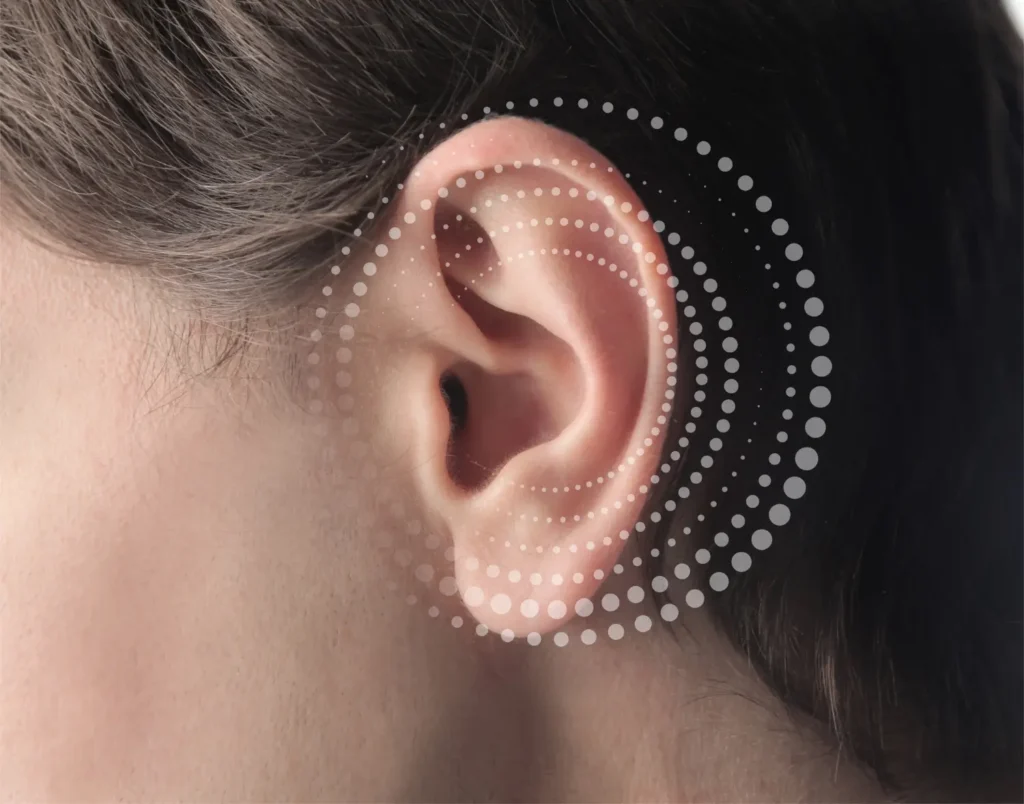
Consultation and Evaluation with Dr. Mustafa Çakır
The process starts with a detailed ENT examination. Dr. Mustafa Çakır asks about the duration of the perforation, previous infections, ear surgeries, hearing problems, imbalance or ringing in the ears (tinnitus), and any drainage from the ear.
The ear canal and eardrum are then examined under a microscope or with an otoscope to assess the size and location of the perforation, the condition of the surrounding tissues and any signs of ongoing infection. A hearing test (audiometry) is usually requested to measure the degree and type of hearing loss and to evaluate the function of the middle and inner ear.
In some cases, especially in patients with long-standing ear disease or suspected problems in the mastoid bone (the bone behind the ear), imaging studies such as a CT scan may be recommended. Based on all of this information, Dr. Çakır explains whether tympanoplasty is necessary, whether it should be combined with other procedures (such as mastoid surgery or ossicular chain reconstruction) and what result can realistically be expected in terms of both healing and hearing improvement.
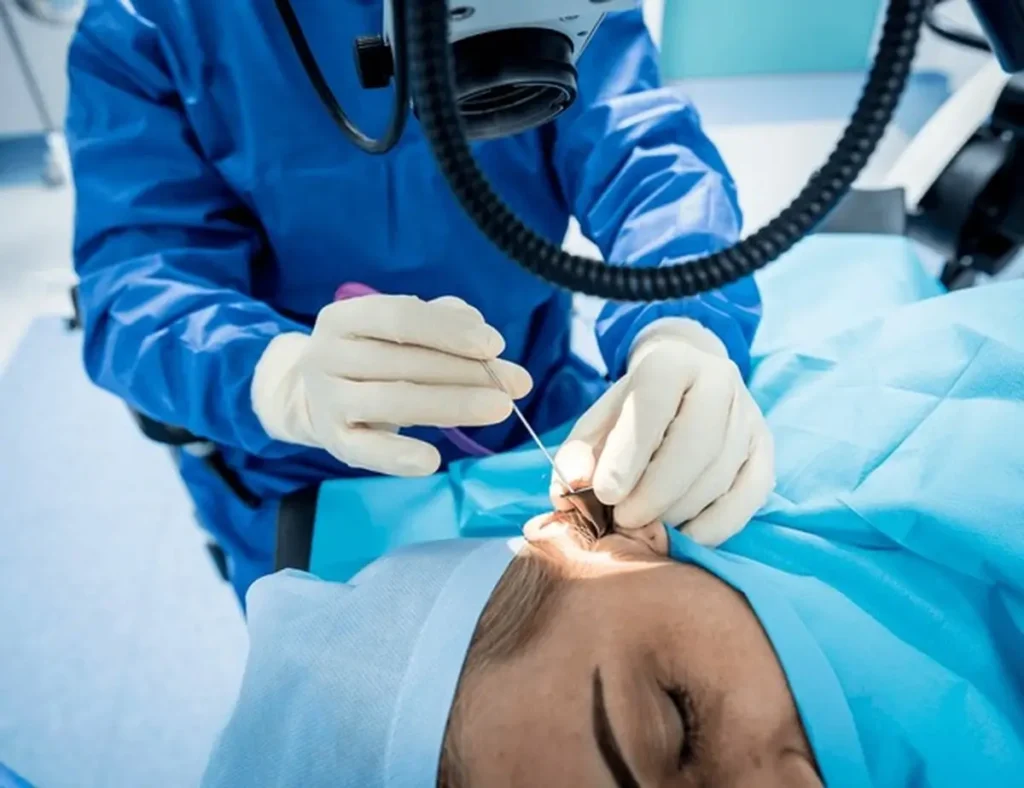
How Timpanoplasti is Performed
Tympanoplasty is usually performed under general anesthesia in a hospital operating room. The exact technique depends on the location and size of the perforation and the condition of the middle ear structures, but the basic principle is to place a graft that will integrate with the patient’s own tissue and close the hole in the eardrum.
A common approach is to make a small incision either inside the ear canal or behind the ear, allowing access to the eardrum and middle ear. Dr. Mustafa Çakır then prepares a graft, often using tissue taken from the patient’s own body (such as fascia from just above the ear muscles or cartilage from the tragus or concha of the ear). This tissue is then carefully positioned under or over the edges of the perforation, depending on the chosen technique, so that it can attach and form a new, continuous membrane as it heals.
If the small bones of hearing (ossicles) are damaged, fixed or missing due to previous infections or surgery, they may be partially or completely reconstructed during the same operation using the patient’s own bone, cartilage or special prosthetic materials. At the end of the procedure, the ear canal is gently packed with soft material to support the graft, and any external incision is closed with fine sutures.
Recovery and Healing
After surgery, patients spend some time in the recovery area and are usually discharged the same day or after one night in hospital, depending on the extent of the procedure and their general condition. It is normal to feel a sense of fullness or pressure in the ear, mild pain and sometimes slight dizziness in the first days. These symptoms are typically well controlled with medication.
During the early healing period, it is very important not to get water into the operated ear, not to blow the nose forcefully, and to avoid heavy lifting or straining, as sudden pressure changes can harm the graft. Patients are usually advised to sneeze with the mouth open and to avoid flying or rapid altitude changes for a certain time, according to the doctor’s instructions.
The packing inside the ear canal is usually removed at a follow-up visit after a week or more, and the eardrum is checked at regular intervals. Hearing may seem reduced or “blocked” at first because of packing and swelling; as healing progresses and the graft integrates, hearing often improves. A control hearing test is generally performed a few weeks or months after the operation to evaluate the final result.
Results and Expectations
The main goals of tympanoplasty are to close the perforation, prevent recurrent infections and, if possible, improve hearing. The success rate for closing the eardrum is high when the middle ear is otherwise healthy and post-operative instructions are followed carefully. Many patients experience fewer infections, less discharge and a greater sense of security when washing, showering or swimming (after the doctor confirms it is safe to do so).
Hearing improvement depends on several factors: the size and location of the perforation, the condition of the ossicles, the presence of scarring or chronic disease in the middle ear, and the function of the inner ear. Dr. Mustafa Çakır discusses these points in advance so that patients have a realistic understanding of what change to expect. Even in cases where hearing gain is limited, simply closing the eardrum and preventing infections can be a major benefit for comfort and long-term ear health.
Risks and Safety
Like all surgical procedures, timpanoplasti carries potential risks. These may include bleeding, infection, failure of the graft to take (meaning the perforation does not fully close), persistent or recurrent perforation, worsening of hearing, tinnitus, dizziness, change in taste on one side of the tongue and, very rarely, more serious complications involving the inner ear or facial nerve.
Before the operation, Dr. Mustafa Çakır reviews the patient’s general health, medications and previous ear history, and explains these risks in clear language. He also describes the measures taken to minimize complications, such as careful surgical technique, controlling infection before surgery and close follow-up afterwards. By choosing an experienced ENT surgeon and following the recommended aftercare, patients can significantly reduce the likelihood of problems and support a smooth recovery.

Why Choose Dr. Mustafa Çakır for Tympanoplasty?
Patients who come to Dr. Mustafa Çakır for tympanoplasty benefit from his focused training in otolaryngology and his experience with both simple and complex middle ear disease. He takes time to explain the diagnosis and treatment options, listens to patients’ concerns about hearing and everyday limitations, and designs a surgical plan tailored to their specific ear condition.
With a careful approach before, during and after surgery, his aim is to achieve a dry, stable ear, protect or improve hearing as much as possible, and allow patients to return to a more comfortable and confident daily life.