
Septoplasty (Nasal Deviation)
Septoplasty is the surgical correction of a deviated nasal septum, the wall of cartilage and bone that separates the two nasal passages. When this wall is crooked or displaced, it can narrow one or both sides of the nose and cause chronic nasal blockage, headaches, snoring, recurrent sinus infections and a constant feeling of “not getting enough air.” As an Otolaryngologist (ENT Specialist) with a focus on nasal and sinus diseases, Dr. Mustafa Çakır performs septoplasty to straighten the septum, open the airway and help patients breathe comfortably again.
Septoplasti (Burun Eğriliği)
Doctor Mustafa Clinic
Septoplasti (Burun Eğriliği)
Septoplasty is the surgical correction of a deviated nasal septum, the wall of cartilage and bone that separates the two nasal passages. When this wall is crooked or displaced, it can narrow one or both sides of the nose and cause chronic nasal blockage, headaches, snoring, recurrent sinus infections and a constant feeling of “not getting enough air.” As an Otolaryngologist (ENT Specialist) with a focus on nasal and sinus diseases, Dr. Mustafa Çakır performs septoplasty to straighten the septum, open the airway and help patients breathe comfortably again.
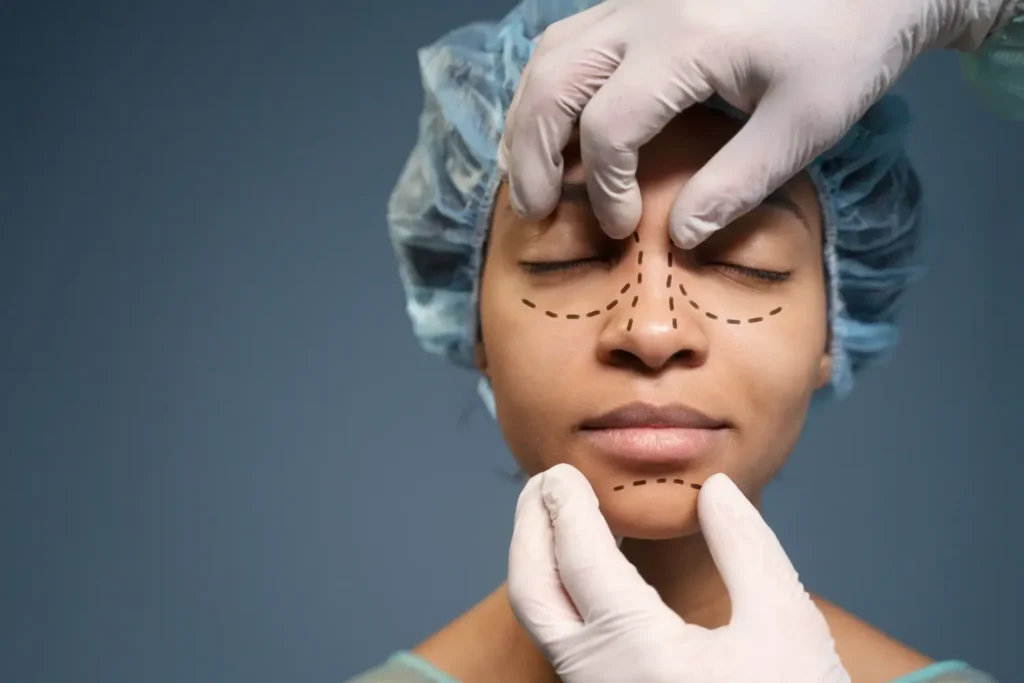
What is Septal Deviation?
Inside the nose, the septum should ideally run down the midline, forming two equal passages. In many people, however, it is bent, curved or displaced to one side. This can be due to genetics, trauma (such as a broken nose in childhood or adulthood) or uneven growth. Sometimes the deviation is obvious on the outside as a crooked nose, but in many cases the nose looks straight while the problem is mainly internal.
A deviated septum can cause one nostril to be more blocked than the other, especially at night, and may force the person to breathe through the mouth. It often co-exists with enlarged turbinates or sinus disease, further reducing airflow. Over time, this situation can lead to snoring, poor sleep quality, reduced exercise tolerance and frequent episodes of sinusitis.
When is Septoplasty Needed?
Not every septal deviation requires surgery. Some people have a mild deviation with no symptoms at all. Septoplasty is usually considered when nasal obstruction and related complaints persist despite appropriate medical treatment such as sprays, allergy therapy or short-term decongestants.
Typical reasons to consider septoplasty include long-standing nasal congestion on one side, difficulty breathing through the nose during sleep or physical activity, chronic mouth breathing, headaches or facial pressure related to nasal obstruction, and repeated sinus infections linked to poor ventilation. In some patients, a deviated septum also contributes to snoring or sleep-related breathing issues, and correcting the septum becomes an important part of their overall treatment plan.
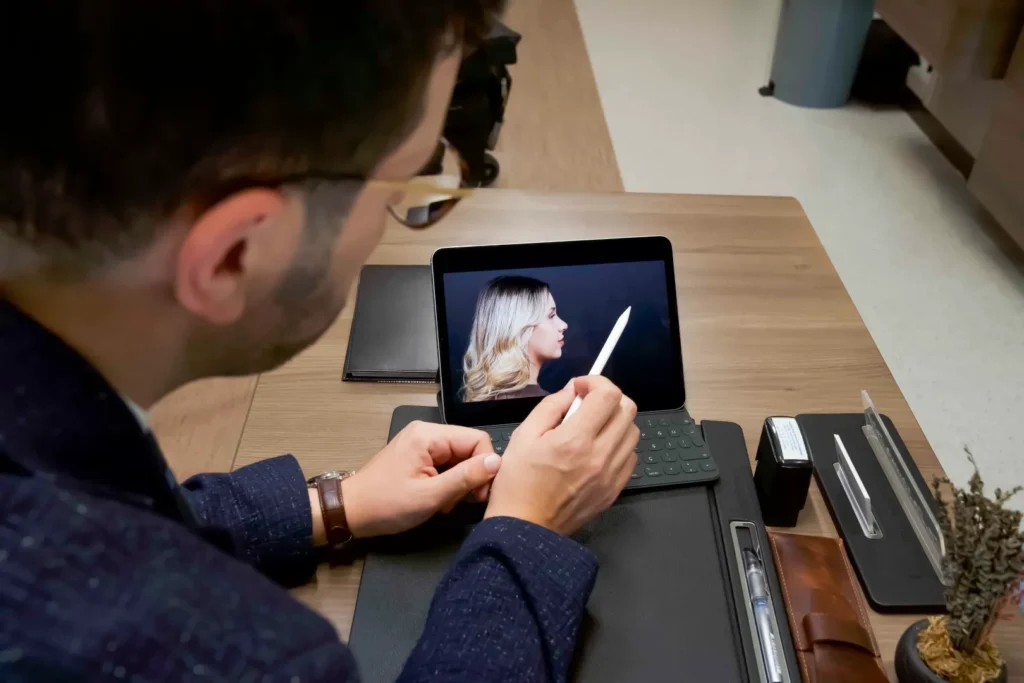
Consultation and Evaluation with Dr. Mustafa Çakır
The process begins with a detailed ENT consultation. Dr. Mustafa Çakır listens to the patient’s history, including the onset of symptoms, previous treatments, allergy background, past injuries and any previous nasal procedures. He then performs a careful examination of the nose, both externally and internally.
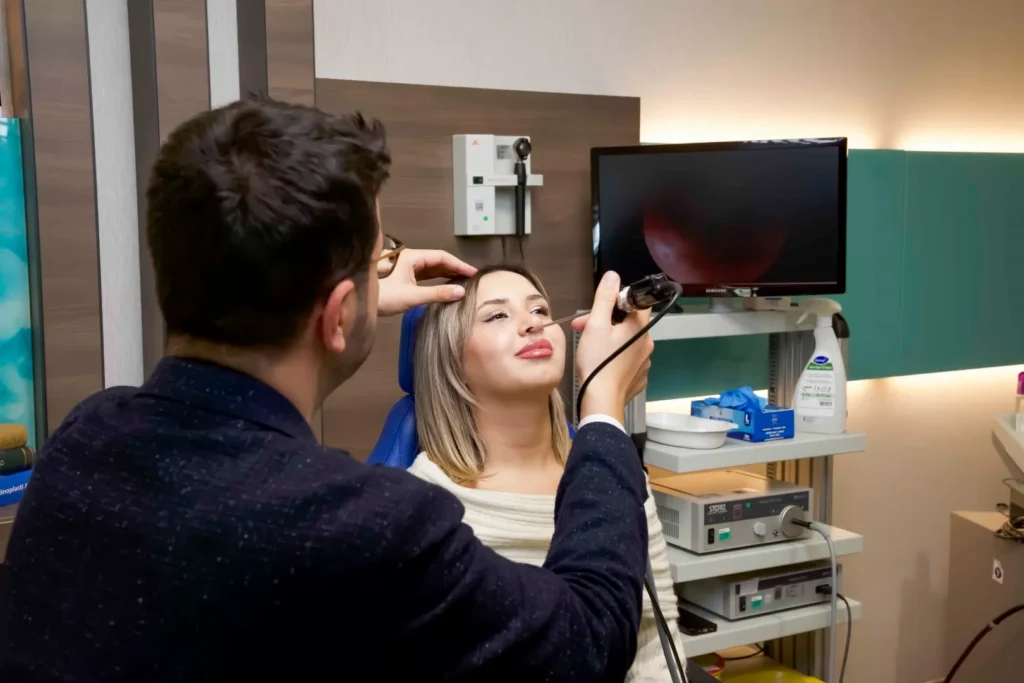
Using nasal speculums and, when needed, an endoscope, he assesses the shape and position of the septum, the size of the turbinates, the condition of the nasal mucosa and the openings of the sinuses. If chronic sinusitis or polyps are suspected, imaging such as a CT scan may be requested to provide a more complete picture. Based on these findings, Dr. Çakır explains whether the septum deviation is truly responsible for the symptoms, whether septoplasty is indicated, and whether it should be combined with other procedures such as turbinate reduction or sinus surgery.
How Septoplasty is Performed
Septoplasty is usually performed under general anesthesia in a hospital setting, although in selected cases local anesthesia with sedation may be an option. The operation is typically done through the inside of the nose, so there are no visible external scars. A small incision is made inside the nasal cavity, and the mucosa—the thin lining that covers the cartilage and bone—is carefully lifted to expose the deviated areas.
The crooked portions of bone and cartilage are then reshaped, removed or repositioned so that the septum becomes straighter and sits closer to the midline. The goal is not to remove the septum but to preserve its support while opening enough space for a clear airway. Once the correction is complete, the mucosa is placed back over the straightened framework and secured with sutures.
To support the septum during the early healing phase, soft silicone splints are often placed on each side of the septum inside the nose. These splints have small central openings that still allow air to pass and usually remain in place for several days before being removed in a follow-up visit.
Septoplasty with Sinus and Turbinate Surgery
In many patients, septal deviation is only part of the problem. Enlarged turbinates, chronic sinusitis or nasal polyps may also contribute to obstruction and recurrent infections. In such cases, Dr. Mustafa Çakır may recommend performing septoplasty together with endoscopic sinus surgery or turbinate reduction in the same session.
Combining these procedures allows the surgeon to not only straighten the septum but also open blocked sinus pathways, remove diseased tissue and reduce turbinate size where appropriate. This comprehensive approach aims to restore normal airflow and sinus ventilation at the same time, often leading to a significant improvement in quality of life, sleep and day-to-day comfort.
Recovery and Healing
After septoplasty, most patients spend a short time in the recovery area and are usually discharged the same day or after an overnight stay, depending on the extent of surgery and individual circumstances. Mild to moderate nasal discomfort, a feeling of pressure and congestion are common during the first few days. Pain is generally manageable with prescribed medication.
Initially, breathing through the nose can feel more difficult because of swelling and the presence of splints, if they are used. It is important to avoid blowing the nose, heavy lifting and strenuous exercise, and to keep the head slightly elevated when resting. Saline sprays or rinses are often recommended to keep the nasal passages clean and moist.
Silicone splints are usually removed within a few days to a week. After their removal, most patients notice a clear improvement in airflow, although some internal swelling may remain for a few weeks. Regular follow-up visits with Dr. Mustafa Çakır allow the healing process to be monitored, any crusting to be cleaned, and additional guidance to be given. Full internal healing can take several weeks, but many patients report a noticeable change in their breathing relatively early in the recovery.
Risks and Limitations
As with all surgeries, septoplasty carries potential risks, including bleeding, infection, septal hematoma, changes in nasal shape, persistent or recurrent obstruction, alteration in smell perception and, rarely, septal perforation. Before the operation, Dr. Çakır discusses these risks in detail, along with the measures taken to minimize them.
It is also important to understand that while septoplasty can significantly improve airflow, it may not completely resolve symptoms if other factors such as allergies, lower airway problems or sleep-related disorders are present. For this reason, the pre-operative evaluation is comprehensive and may include medical treatment or additional tests to identify and address all contributing causes.

The Benefits of Septoplasty
For suitable patients, septoplasty can offer a marked improvement in daily life. Easier nasal breathing often leads to better sleep, reduced mouth breathing and less dryness of the throat. Many patients experience fewer sinus infections, less facial pressure and an increased ability to exercise without feeling short of breath through the nose. When combined with sinus surgery or turbinate procedures, the overall effect on nasal comfort can be even more pronounced.
With his background in otolaryngology and rhinology, Dr. Mustafa Çakır approaches septoplasty with a detailed understanding of nasal anatomy, sinus function and airway dynamics. His aim is to create a stable, well-functioning septal structure that supports long-term comfort rather than only a short-term improvement.