
Sinus Diseases and Sinusitis Surgery
The paranasal sinuses are air-filled cavities around the nose, located in the cheeks, forehead and between the eyes. When they become blocked or inflamed, they can cause facial pressure, nasal congestion, headaches, post-nasal drip and a constant feeling of being “blocked” or tired. As an Otolaryngologist (ENT Specialist) with a special focus on nasal and sinus problems, Dr. Mustafa Çakır diagnoses and treats a wide range of sinus diseases, from recurrent infections to chronic sinusitis that requires surgery.
Sinus Diseases and Sinusitis Surgery
Doctor Mustafa Clinic
Sinus Diseases and Sinusitis Surgery
The paranasal sinuses are air-filled cavities around the nose, located in the cheeks, forehead and between the eyes. When they become blocked or inflamed, they can cause facial pressure, nasal congestion, headaches, post-nasal drip and a constant feeling of being “blocked” or tired. As an Otolaryngologist (ENT Specialist) with a special focus on nasal and sinus problems, Dr. Mustafa Çakır diagnoses and treats a wide range of sinus diseases, from recurrent infections to chronic sinusitis that requires surgery.
What Are Sinus Diseases?
Sinus diseases include conditions in which the lining of the sinuses becomes swollen and cannot drain properly. Mucus and secretions build up, creating an environment where bacteria, viruses or fungi can grow. In some people, the underlying problem is structural – such as a deviated septum or narrowed sinus openings – while in others, allergies, nasal polyps or environmental factors play a major role.
Sinusitis can be acute, lasting a few days or weeks after a cold, or chronic, where symptoms continue for three months or longer despite treatment. Chronic sinusitis often causes persistent nasal blockage, thick discharge, reduced sense of smell, facial pressure and a general feeling of fatigue. In many patients, these symptoms significantly affect sleep quality, work, concentration and overall quality of life.
Symptoms and When to Seek Help
Many people experience occasional sinus problems after a flu or allergy flare, but sinus disease becomes a concern when symptoms are frequent, long-lasting or resistant to basic treatments. Typical complaints include nasal congestion that does not go away, thick or discolored nasal discharge, pain or pressure around the eyes, cheeks or forehead, post-nasal drip with frequent throat clearing, bad breath, a reduced or lost sense of smell and recurrent headaches linked to sinus pressure.
If these symptoms continue for weeks, return many times in a year or strongly limit daily activities, an evaluation by an ENT specialist is recommended. Early and accurate diagnosis helps prevent repeated antibiotic use, long-term discomfort and unnecessary delays in effective treatment.

ENT Evaluation and Diagnosis
In the consultation, Dr. Mustafa Çakır takes time to listen to the patient’s history: how long the symptoms have been present, whether there are known allergies, previous infections or surgeries, which medications have already been used and what effect they had. He then performs a detailed ear, nose and throat examination, focusing on the nasal passages and sinus openings.
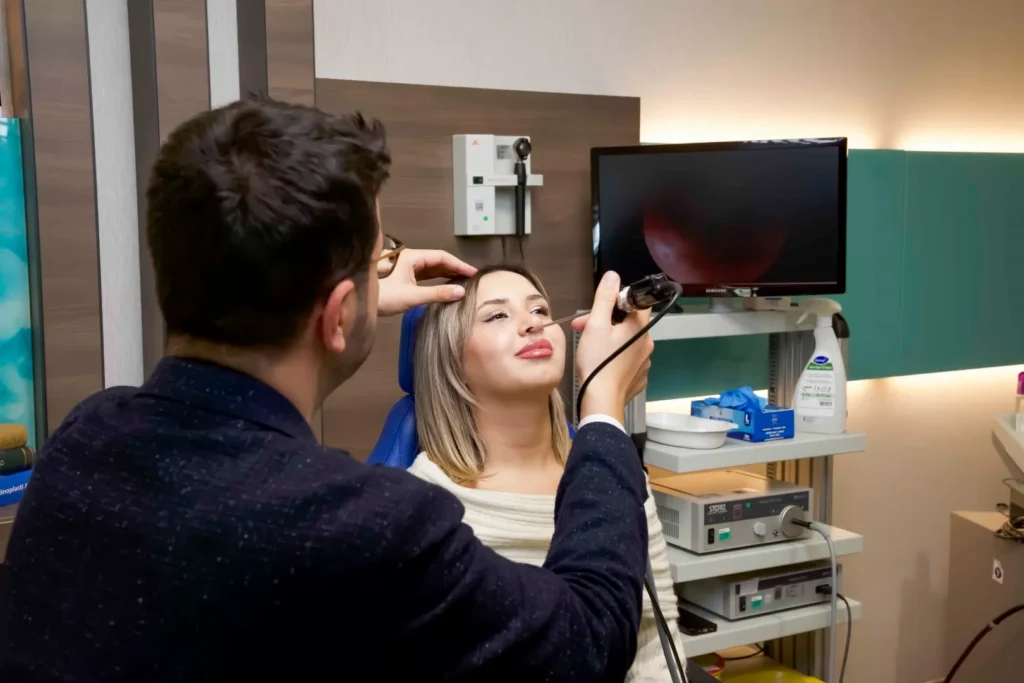
Nasal endoscopy – a gentle examination using a thin camera – is often used to look inside the nasal cavity, assess the condition of the mucosa, identify swelling, polyps or pus and evaluate the drainage pathways of the sinuses. In cases of suspected chronic sinusitis, nasal polyps or complicated infections, imaging such as a CT scan of the sinuses may be requested. This provides a precise view of the sinus anatomy and the areas that are blocked, helping to plan the most appropriate treatment.
Medical Treatment of Sinusitis
Not all sinus diseases require surgery. In many cases, especially in acute or less severe conditions, symptoms improve with medical treatment. Depending on the cause and severity, this may include nasal saline rinses or sprays to clean and moisturize the mucosa, topical nasal corticosteroid sprays to reduce inflammation and swelling, short courses of appropriate antibiotics for bacterial infections, antihistamines or other allergy treatments, decongestants used carefully for a limited time, and sometimes oral corticosteroids in selected patients with severe polyps or swelling.
Dr. Mustafa Çakır builds a personalized medical plan according to each patient’s age, general health, symptom pattern and imaging results. The goal is to control inflammation, restore normal drainage and reduce or eliminate attacks of sinusitis. If symptoms remain despite well-conducted medical therapy, or if structural problems prevent normal ventilation, surgical treatment may be recommended.
When is Sinus Surgery Needed?
Sinus surgery is generally considered in patients with chronic sinusitis that does not respond sufficiently to medical treatment, in those with nasal polyps that repeatedly obstruct the nose and sinuses, and in some cases of recurrent acute sinusitis where imaging shows persistent blockage. Other indications include certain fungal sinus infections, complications involving the eye or surrounding structures, and the need to widen the drainage pathways so that medication can reach the sinus cavities more effectively.
The aim of surgery is not simply to “remove infection” once, but to correct the underlying ventilation and drainage problem so that the sinuses can function normally in the long term. Even after surgery, medical treatment may still be needed, but it generally becomes more effective when the sinuses are open and well ventilated.
Endoscopic Sinus Surgery
The most commonly used surgical technique today is endoscopic sinus surgery. This is a minimally invasive procedure performed through the nostrils, without external skin incisions. Using thin endoscopes and specialized instruments, Dr. Mustafa Çakır works inside the nose under magnified, high-definition vision.
During the operation, blocked natural openings of the sinuses are gently widened, diseased tissue and polyps are removed, and bony partitions that prevent drainage are corrected. Care is taken to preserve normal mucosa and important structures while creating a more open and functional sinus system. In many patients, endoscopic sinus surgery is combined with septoplasty (to correct a deviated septum) and turbinate procedures to improve overall nasal airflow.
Because the approach is endoscopic, there is no external scarring, and the precision of modern equipment allows for a focused, tailored correction according to the patient’s individual sinus anatomy.
Risks and Safety
As with all surgical procedures, sinus surgery carries potential risks, including bleeding, infection, scarring inside the nose, persistent or recurrent symptoms, and, very rarely, injury to surrounding structures such as the eye or skull base. Before deciding on surgery, Dr. Mustafa Çakır explains these risks in clear language and describes the steps taken to minimize them.
Careful pre-operative planning, detailed knowledge of sinus anatomy and the use of modern endoscopic techniques all help increase safety. The decision for surgery is always made together with the patient, after weighing the severity of symptoms, the impact on quality of life and the expected benefits.

Recovery After Sinus Surgery
Recovery after endoscopic sinus surgery is usually well tolerated. Most patients go home the same day or after a short stay, depending on the extent of surgery and their general condition. In the first days, it is normal to experience nasal congestion, light bleeding and a sensation of pressure or fullness in the nose and forehead. Pain is generally mild to moderate and can be controlled with medication.
During the early healing period, heavy exercise, nose blowing and very hot environments should be avoided. Nasal rinses with saline solution are often recommended to clean the surgical area and support healing. Follow-up visits with Dr. Mustafa Çakır are very important in the first weeks; during these visits, the nose is examined endoscopically, crusts are gently removed and the progress of healing is carefully monitored.
Most patients notice a gradual improvement in nasal breathing and a reduction in facial pressure and infections as healing progresses. Full internal healing takes several weeks, but the long-term benefit is usually a significant improvement in comfort, quality of life and the response to medical treatments such as nasal sprays.