
Otoplasty (Prominent Ear Aesthetics)
Otoplasty, or prominent ear surgery, is a procedure performed to correct ears that stick out more than normal or have an unusual shape. Although kepçe kulak does not affect hearing, it can cause significant psychological discomfort, especially from childhood into adult life. Many patients feel shy in social situations, avoid tying their hair back or using certain hairstyles, and are bothered by comments about their ears. Dr. Mustafa Çakır, as an Otolaryngologist (ENT Specialist), performs otoplasty to reshape the ears in a natural way, bringing them closer to the head and creating a more balanced appearance.
Otoplasti (Kepçe Kulak Estetiği)
Doctor Mustafa Clinic
Otoplasti (Kepçe Kulak Estetiği)
Otoplasty, or prominent ear surgery, is a procedure performed to correct ears that stick out more than normal or have an unusual shape. Although kepçe kulak does not affect hearing, it can cause significant psychological discomfort, especially from childhood into adult life. Many patients feel shy in social situations, avoid tying their hair back or using certain hairstyles, and are bothered by comments about their ears. Dr. Mustafa Çakır, as an Otolaryngologist (ENT Specialist), performs otoplasty to reshape the ears in a natural way, bringing them closer to the head and creating a more balanced appearance.
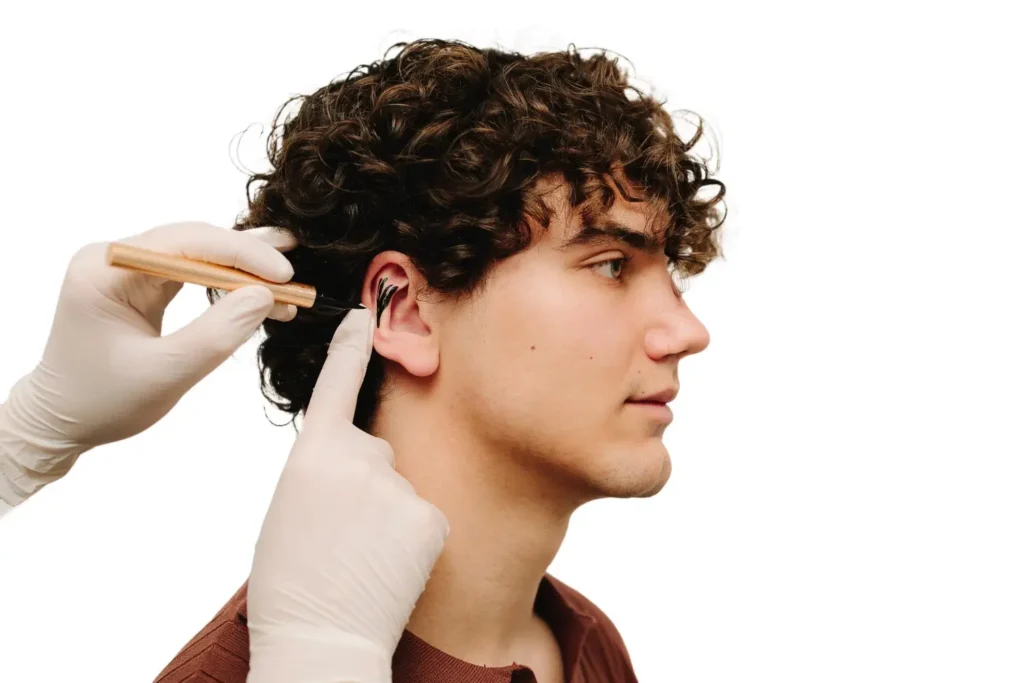
What is Prominent Ear and Why Does it Occur?
In most cases, prominent ears are caused by the way the cartilage of the ear develops. The fold in the upper part of the ear (the antihelical fold) may be weak or missing, or the central part of the ear (the concha) may be overly deep or protruding. These structural differences are usually present from birth and become more visible as the child grows. It is not a disease and does not mean that something is wrong with hearing, but it can have a strong impact on self-confidence.
Because the shape is determined by cartilage rather than soft tissue, prominent ears do not “correct themselves” over time. For that reason, otoplasty is currently the most effective way to permanently improve the position and shape of the ears.
Who is Otoplasty Suitable For?
Otoplasty can be performed on both children and adults. In children, surgery is often recommended after the ears have reached close to their adult size, usually around the age of five or six, so that the cartilage is strong enough but still somewhat flexible, and before school-age teasing becomes a serious problem. Many adults also decide to have prominent ear surgery after years of feeling uncomfortable with their appearance, and there is no upper age limit as long as general health is suitable.
The ideal candidate is someone who is bothered by the appearance of their ears, has realistic expectations and wants a long-term solution. For children, the cooperation and emotional readiness of the child are also important; the decision should be made together by the family and the surgeon after a detailed discussion.
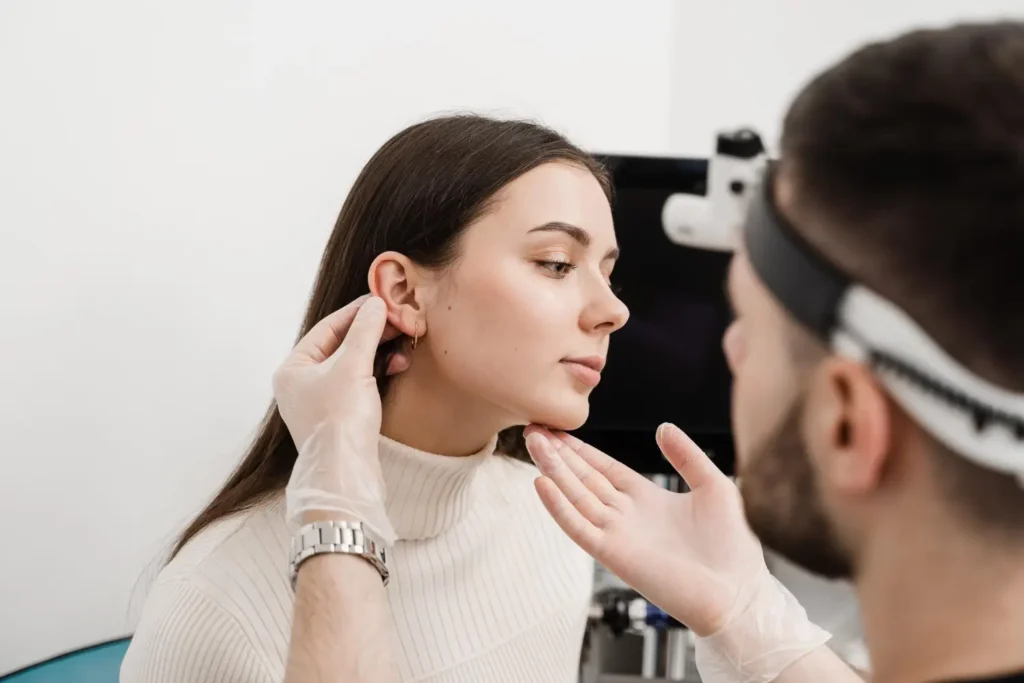
Consultation with Dr. Mustafa Çakır
The process begins with a calm, detailed consultation. Dr. Mustafa Çakır listens to the patient’s concerns, asks about medical history and any previous ear problems or surgeries, and then examines the ears from different angles. He evaluates the position of the ears in relation to the head, the shape of the cartilage folds and the symmetry between the two sides.
During the consultation, Dr. Çakır explains which anatomical factors are causing the prominent look and what kind of correction is needed. He describes the surgical technique, type of anesthesia, where the incision will be placed, how the scar will look and what to expect during the recovery period. For parents of young patients, this is also an opportunity to discuss how to prepare the child for surgery and how to manage the days after the operation.
How Otoplasty is Performed
Otoplasty can be performed under local anesthesia with sedation or general anesthesia, depending on the age of the patient and the extent of the procedure. In younger children, general anesthesia is usually preferred to ensure comfort and safety; in adults and cooperative older adolescents, local anesthesia with sedation can be an option.
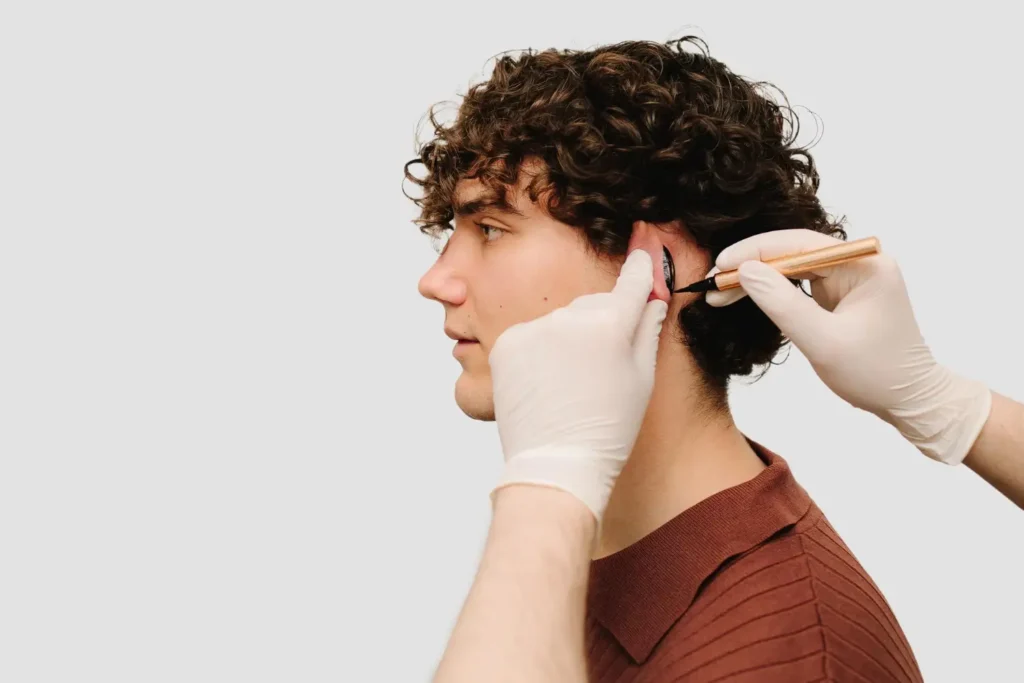
The surgery is typically carried out through an incision made on the back of the ear, in the natural crease where the ear meets the head. This hidden placement means the scar will be discreet once healed. Through this incision, Dr. Mustafa Çakır accesses the cartilage of the ear and reshapes it to create a more natural fold and reduce the angle between the ear and the head. This may involve thinning the cartilage, scoring it in a controlled way so it bends more easily, or using permanent sutures to hold the new shape.
In cases where the central part of the ear is overly prominent, the cartilage there may be repositioned closer to the skull. The goal is not to “flatten” the ears completely, but to bring them into a more normal, aesthetically pleasing position while keeping a natural curve and character. At the end of the procedure, the incision is closed with sutures, and a protective bandage or head dressing is applied.
Recovery and Healing
Immediately after otoplasty, the ears are covered with a soft, protective dressing that helps maintain the new shape and protects the ears from accidental bumps. Mild pain, a feeling of tightness and some swelling are normal in the first days, but these are usually well controlled with prescribed pain medication. Most children can return to calm activities fairly quickly, and adults often resume light daily tasks within a few days, provided they avoid heavy lifting or strenuous exercise.
The first bandage is typically removed after a few days, and in many cases a lighter headband or bandage is used, especially at night, for additional protection during the early healing period. It is important to avoid sleeping directly on the ears, to keep the operated area clean and dry as instructed, and to protect the ears from any trauma. Bruising and swelling gradually fade over one to two weeks. While the main improvement in appearance is visible quite early, the tissues continue to soften and settle over the following months.
Results and Expectations
For most patients, otoplasty provides a stable, long-lasting improvement in the position and shape of the ears. The ears appear closer to the head, more symmetrical and naturally curved, and this often leads to a noticeable boost in self-confidence. Many children feel more comfortable at school and in social settings, and adults frequently report that they finally feel free to choose hairstyles or accessories without worrying about their ears.
As with any cosmetic procedure, it is important to understand that perfect symmetry is not realistic; small differences between the two ears are normal even in people who have never had surgery. Dr. Mustafa Çakır aims for a balanced, natural result that fits the patient’s face and head shape, rather than an artificial or over-corrected appearance.
Risks and Safety
Otoplasty is generally a safe procedure when performed by an experienced surgeon, but it still carries potential risks. These may include bleeding, infection, delayed wound healing, temporary changes in skin sensation, asymmetry, recurrence of prominence if the cartilage does not hold the new shape as expected, or the need for minor revision. Before the operation, Dr. Mustafa Çakır reviews the patient’s medical history, explains these risks in clear language and describes how they are minimized in practice through careful technique and post-operative care instructions.
Following the recommended aftercare, attending follow-up appointments and protecting the ears during the healing period are all important factors that help reduce complications and support a smooth recovery.

Why Choose Dr. Mustafa Çakır for Otoplasty?
Patients seeking kepçe kulak estetiği with Dr. Mustafa Çakır benefit from his ENT background and his understanding of both the functional and aesthetic aspects of the ear. He takes time to understand each patient’s concerns, explains the procedure and healing process in detail and aims for results that are natural, proportional and in harmony with the rest of the face. His gentle approach is especially valuable for children, helping to reduce anxiety and make the experience more comfortable for the whole family.
With thoughtful planning, precise surgical technique and attentive follow-up, otoplasty with Dr. Çakır can offer a permanent solution to prominent ears and a significant improvement in self-confidence and quality of life.